How to Spot and ID Shorebirds on the Oregon Coast
Affiliate disclosure: This post contains affiliate links. We may earn a small commission from qualifying purchases at no extra cost to you. See our affiliate disclosure for how we choose what we recommend.
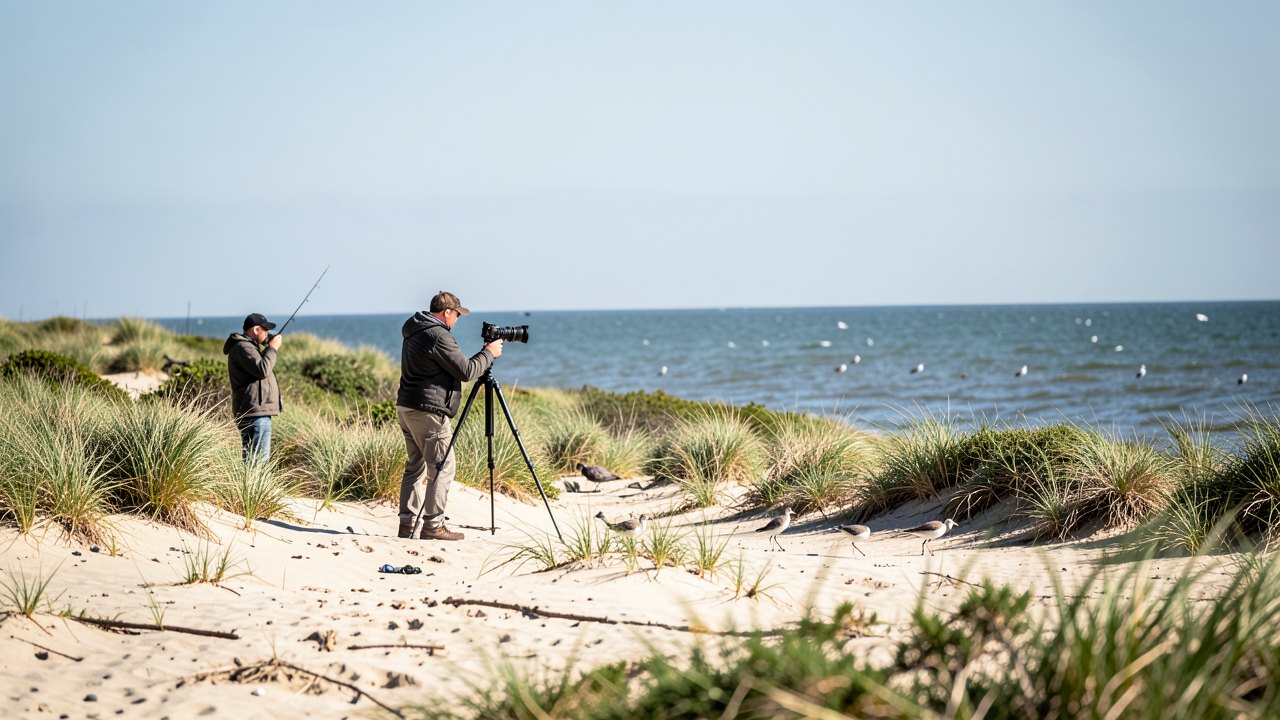
Shorebirding works best with the right timing and a clear eye for details. Over 30 species frequent the Oregon coast, with spring migration hitting from late April to early May and fall stretching from July to October. A tide table helps you find birds moving along mudflats, while noting behavior, size, and bill shape sorts out the gray drab migrants that lack breeding colors.
What you need
Steps
- Check the tide table before heading out. A rising tide pushes shorebirds toward you on mudflats, creating a solid setup. Position yourself so low light is at your back for better visibility.
- Visit beaches or tidal flats for reliable sightings. Beaches work well at any tide stage. Spits like Nehalem, Bayocean, Netarts, and Nestucca offer great viewing opportunities.
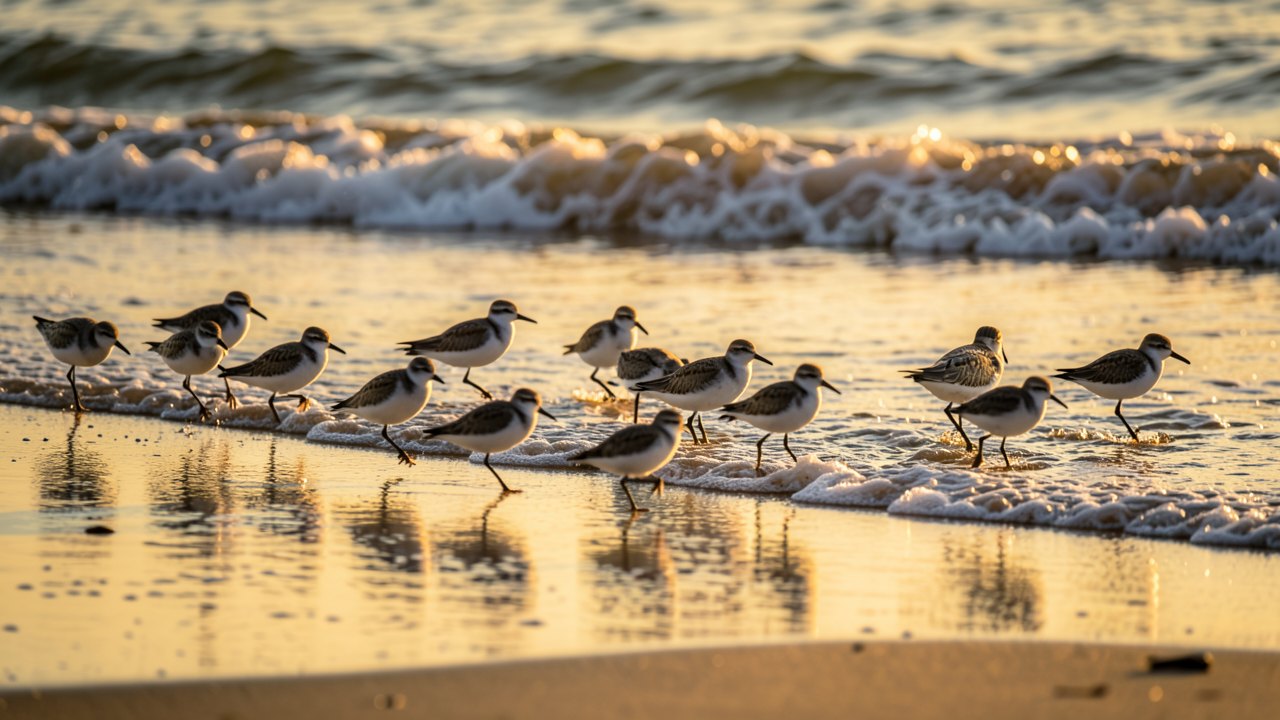
- Ignore the drab gray migration colors and focus on size, body shape, bill length, and leg color. Plovers are plump with short bills and come in small and medium sizes. Sandpipers show more variation in bill length.
- Observe how birds move and eat. Plovers run and feed by sight, while sandpipers jab methodically into the ground or water. Note that Least Sandpipers prefer drier ground compared to their relatives.
- Many shorebirds are declining due to habitat degradation. Follow responsible birdwatching practices to minimize impact and help protect these habitats.
Notes
The Oregon coast supports over 30 regular shorebird species. Spring migration moves quickly between late April and early May, while fall migration lasts from July through October.
Why it works
Timing and Juveniles
Shorebirds migrate to exploit the Arctic's brief summer productivity. Juveniles often travel separately from adults and may arrive a month or so later, so keep checking even after the main migration wave passes.
Why Tides Matter
Tidal movements concentrate birds on mudflats, making them much easier to locate than scanning vast empty areas at low tide.
If it goes wrong
Birds look too similar
Plumage variations within species can be tricky during migration. If colors aren't distinct, rely on bill shape, size, and feeding style to separate families.


