Birding by Ear: Training Your Ear to Identify Songs
Affiliate disclosure: This post contains affiliate links. We may earn a small commission from qualifying purchases at no extra cost to you. See our affiliate disclosure for how we choose what we recommend.
Training your ear relies on consistent practice and building on what you already know. Sources recommend starting with common backyard birds to gain confidence, then using mnemonic phrases to lock in specific songs. Identification apps work best as learning aids, not crutches. Focusing on sound patterns and minimizing distractions, especially during the dawn chorus, sharpens listening skills over time.
What you need
Steps
- Begin by learning songs from blue jays, Northern mockingbirds, American crows, red-bellied woodpeckers, and Northern cardinals. These birds are vocal and frequent visitors, giving you plenty of chances to practice without much effort.
- Connect songs to familiar phrases to help with recall. For instance, match the tufted titmouse to 'Peter, Peter, Peter,' the barred owl to 'Who cooks for you,' and the Carolina wren to 'tea kettle, tea kettle, tea kettle.'
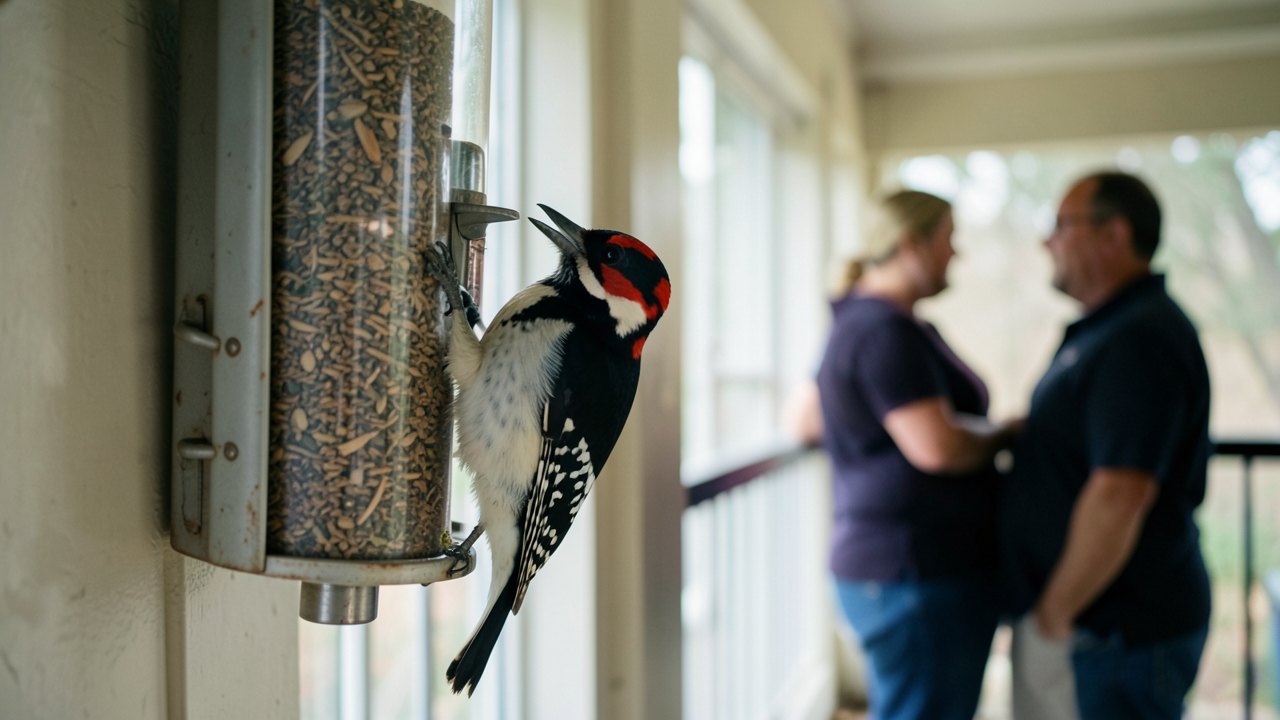
- Give the audio your full attention and cut down on distractions. Listen for changes in pitch, tone, and volume. Tracking these patterns helps distinguish one species from another even when multiple birds are singing.
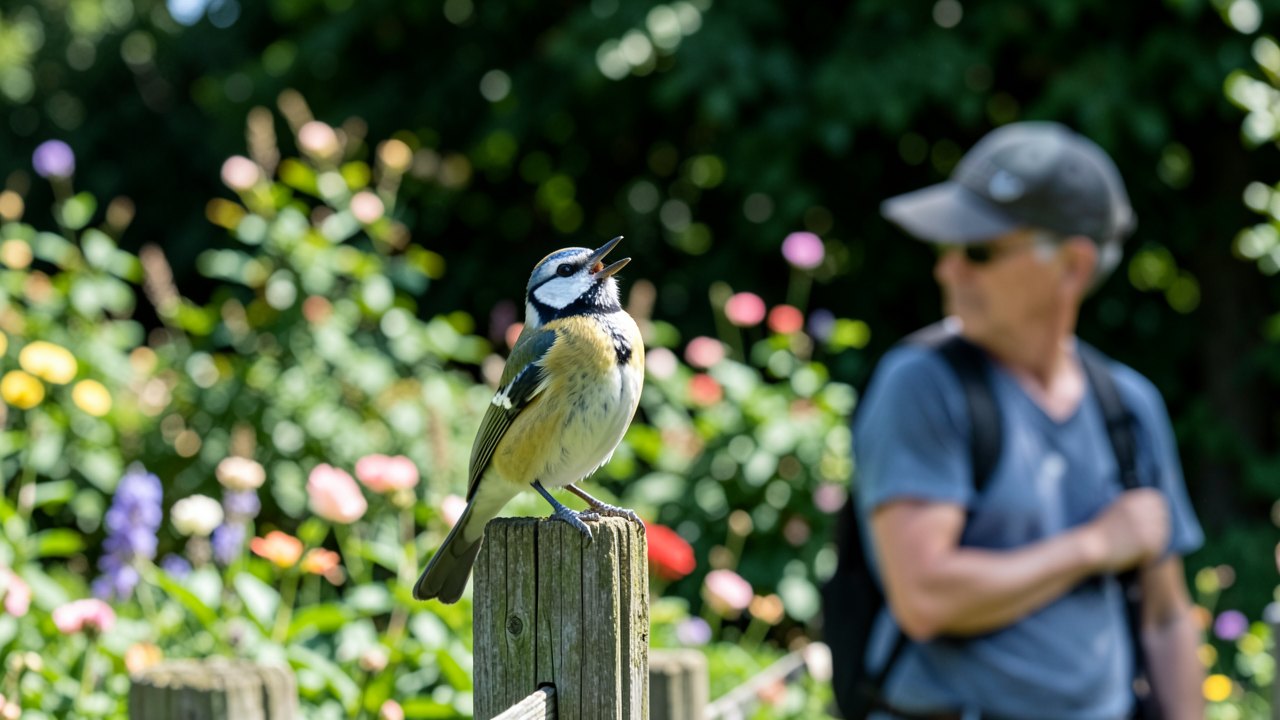
- Observe birds as they perform to link visual cues with the sound. Watching a tufted titmouse or Carolina wren while it sings can reinforce the song in your memory and make identification easier later.
- Put in regular practice time, particularly during the dawn chorus when birds are most active. This window exposes you to a wider variety of songs and helps you recognize patterns more quickly.
- Use a bird identification app like Merlin to check your work and learn new songs, but treat it as a reference. Avoid relying on it for every identification to ensure your own listening skills develop.
Notes
Sources offer slightly different perspectives on technology. Some emphasize using apps primarily for reference, while others suggest active learning with apps but warn against over-reliance. Combining practical backyard drills with focused listening techniques provides a balanced approach.
Why it works
Common Species
Frequent backyard birds provide ample opportunities for repetition, which strengthens auditory recognition skills.
Mnemonics
Associating songs with known phrases makes it easier to recall and identify specific bird calls.
Attention and Patterns
Limiting distractions allows you to focus on the nuances of bird sounds, improving your ability to pick out key features.
Visual Association
Direct observation while singing connects sight and sound, reinforcing memory of the song.
If it goes wrong
Over-reliance on Apps
If you find yourself depending too much on the app, try identifying songs by ear first to build independent listening skills.
Complex Songs
When a song feels difficult, break it down by listening for the underlying pattern in pitch and tone changes rather than trying to memorize every note.


