Designing a High-Diversity Urban Birding Route
Affiliate disclosure: This post contains affiliate links. We may earn a small commission from qualifying purchases at no extra cost to you. See our affiliate disclosure for how we choose what we recommend.
About 550 of 600 British bird varieties appear in cities, so you can find plenty in an hour. People who do this recommend mixing traditional observation with apps like Merlin Bird ID and eBird to track sightings and find spots. Start at dawn for better activity and light, then hit diverse areas like parks, gardens, and rooftops. Some sources emphasize early timing and tech, while others note urban birding works almost anytime without gadgets. You can focus on what suits your schedule. The key is combining observation with route planning to maximize diversity.

What you need
Steps
- Arrive at your route start by dawn. Birds are most active then, and the morning light makes them easier to spot. It's also usually quieter.
- Open Merlin Bird ID and eBird to check recent sightings in your area and help identify species as you go. These tools give real-time data on where birds are.
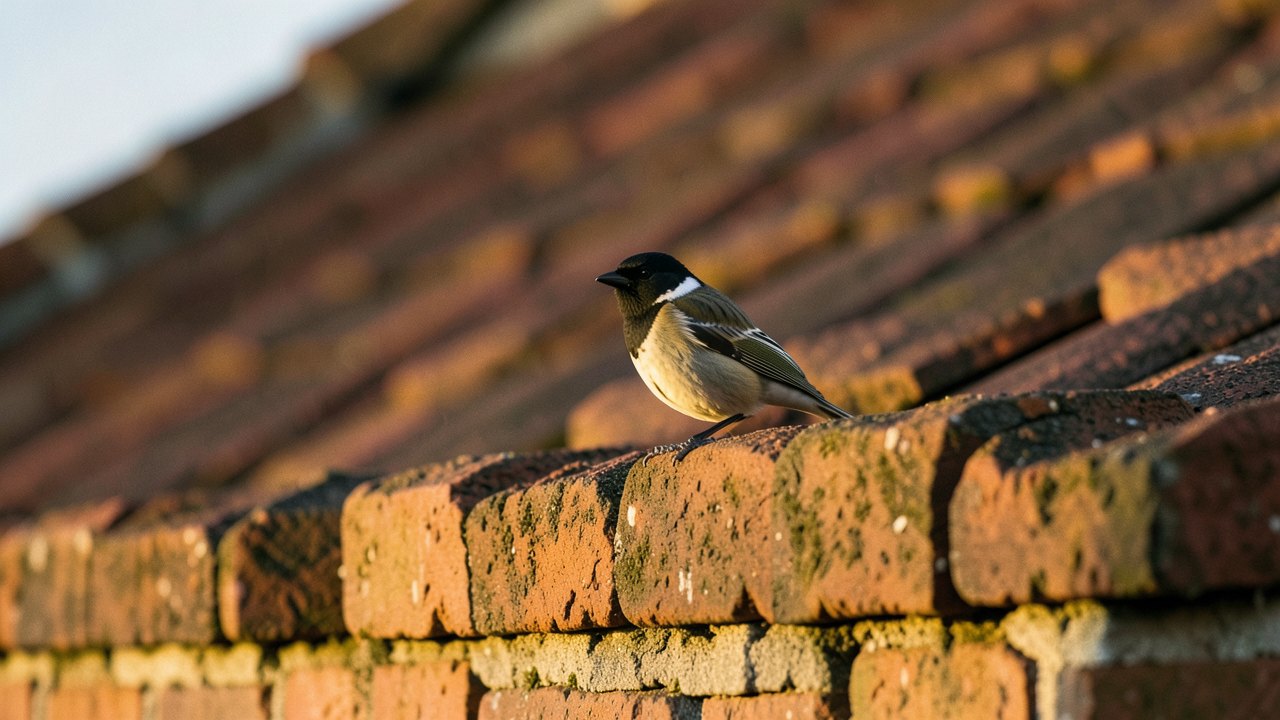
- Move through parks, gardens, cemeteries, corporate campuses, and water features. Even rooftops and balconies count. Look for silhouettes, shapes, and flight patterns to catch birds quickly.
- Pay close attention to songs and calls. Sound often reveals birds before you see them, which helps a lot in noisy city spots.
- Keep a record of your finds to track seasonal changes and contribute to community science. Stay well back from nests and roosts, avoid playing recorded calls during breeding season, and clean bird feeders regularly if you maintain them. Regular visits to familiar spots build your skill over time.
Notes
Research points to a mix of advice. Some sources stress dawn timing and apps, while others suggest urban birding works almost any time and focus more on traditional skills. You can adjust your approach based on when you have an hour.
Why it works
Why urban routes work
Cities host nearly 550 British bird varieties. Parks, water, and gardens offer enough habitat variety to attract species ranging from pigeons, doves, sparrows, and starlings to falcons and waterfowl. Learning local patches helps you understand seasonal shifts. Joining local groups or guided walks can also point you to reliable hotspots.


