How to Keep a Birding Journal and Field Notes
Affiliate disclosure: This post contains affiliate links. We may earn a small commission from qualifying purchases at no extra cost to you. See our affiliate disclosure for how we choose what we recommend.
Think of birding journals as a space for personal insight and creative expression, while field notes handle the detailed work for identification. Using both makes birding more accurate and enjoyable, helping you spot patterns like migration without needing to be an artist or a writer.
What you need
- Blank book
- Pens and pencils
- Art supplies (optional)
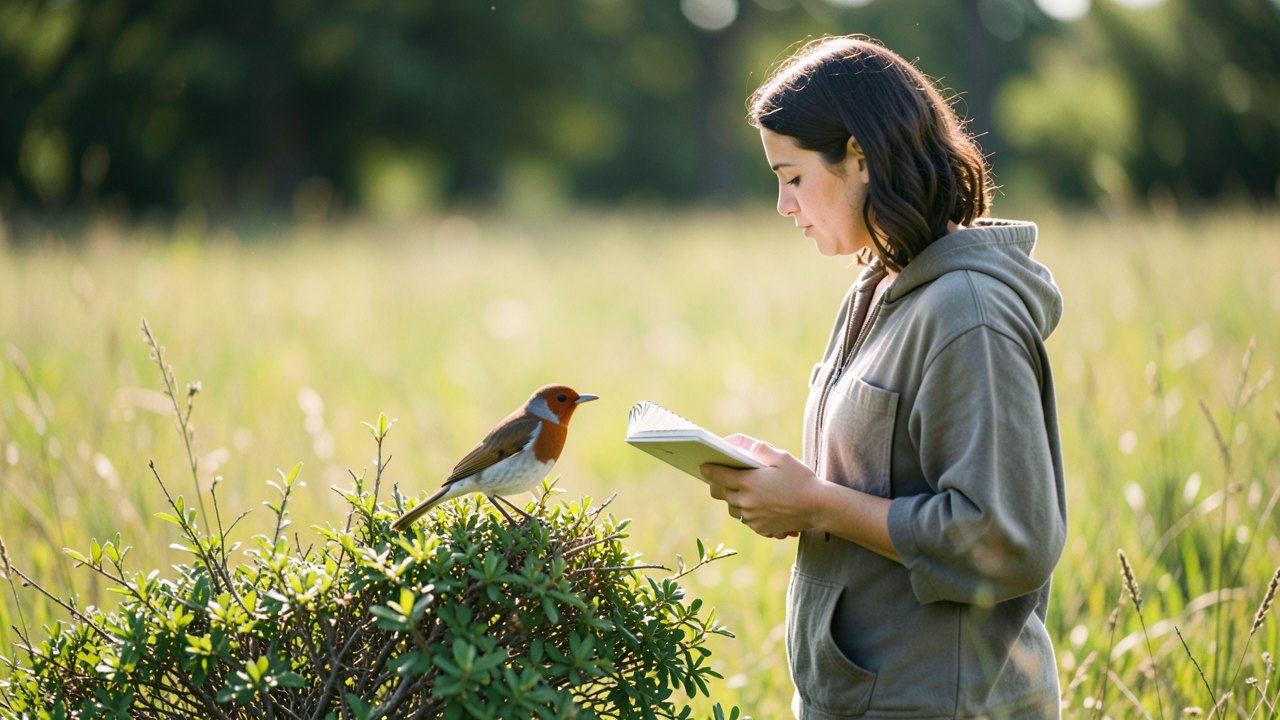
Steps
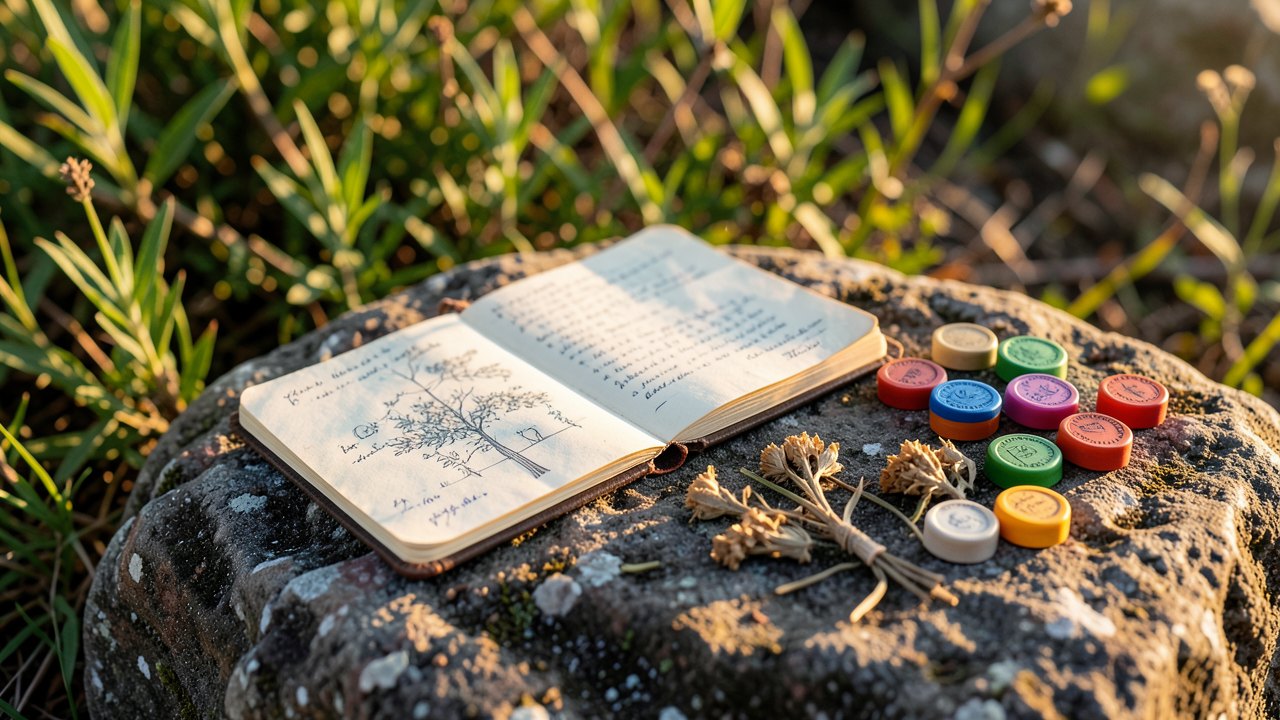
- Get a blank book and fill it with pens, pencils, and optional art supplies like stamps, pressed leaves, or photos to enhance your entries.
- Start every entry with the date, location, weather, and blooming flora, then note bird behavior and detailed visual descriptions.
- Use 'WHICH IS IT?' for detailed bird descriptions and 'DO IT!' to capture essential details like location, sounds, habits, and identification flashes.
- Focus on your relationship with the bird and personal understanding; spelling and grammar don't matter. Try mindfulness, seeing relationships, or imaginative observation to deepen your connection, and use stream-of-consciousness writing to bypass self-consciousness.
- Hone your note-taking drill on everyday species to prepare for rare sightings, noting unusual features and sketching even if you aren't an artist.
Notes
Entries are for you, so there's no need to share or read them back. Imperfections are part of the learning process. Both journals and field notes support engagement by reducing barriers through flexibility and creativity. Sources note that journals encourage loose expression, while field notes require a structured approach for accurate identification.
Why it works
Growth and Enjoyment
Documenting observations builds personal understanding and observational skills, which makes birding more accurate and enjoyable over time. Keeping records aids personal growth and helps document unusual observations for rare or unfamiliar species.
Pattern Recognition
Regular notes reveal trends such as migrant arrival and departure times, population changes, and behavioral patterns.
If it goes wrong
Not a writer?
Use stream-of-consciousness writing to bypass insecurities; the goal is the activity itself, not polished prose.
Not an artist?
Use unique fonts, stamps, pressed leaves, or simple sketches; artistic skill isn't necessary to document rare species or features.


