How to Install Native Planting Zones for Pollinators and Songbirds
Affiliate disclosure: This post contains affiliate links. We may earn a small commission from qualifying purchases at no extra cost to you. See our affiliate disclosure for how we choose what we recommend.
Set up a sunny native planting zone to attract pollinators and songbirds. Start with a soil test and proper timing, group plants for visibility, and maintain with non-chemical methods to support local wildlife.
What you need
Steps
- Pick a sunny spot getting at least 8 hours of light per day. Time your planting for spring or fall, aiming for 2 to 3 weeks before the average last frost date.
- Run a soil test to check nutrient levels and pH. Clear the bed by removing unwanted plants with a shovel, sod cutter, or hand pulling. Add compost to enrich the ground before planting.
- Buy native plants from local nurseries. Group them in clusters so pollinators can spot the flowers easier. If using seeds, some sources suggest mixing them with sand for better distribution, while others recommend direct sowing or plugs for faster results.
- Water immediately after planting to keep the soil moist, not flooded. Water daily until the plants are established.
- Control weeds by hand pulling or using non-chemical methods, especially during the first 2 to 3 years. Avoid broad pesticides; focus on monitoring and spot treatment instead.
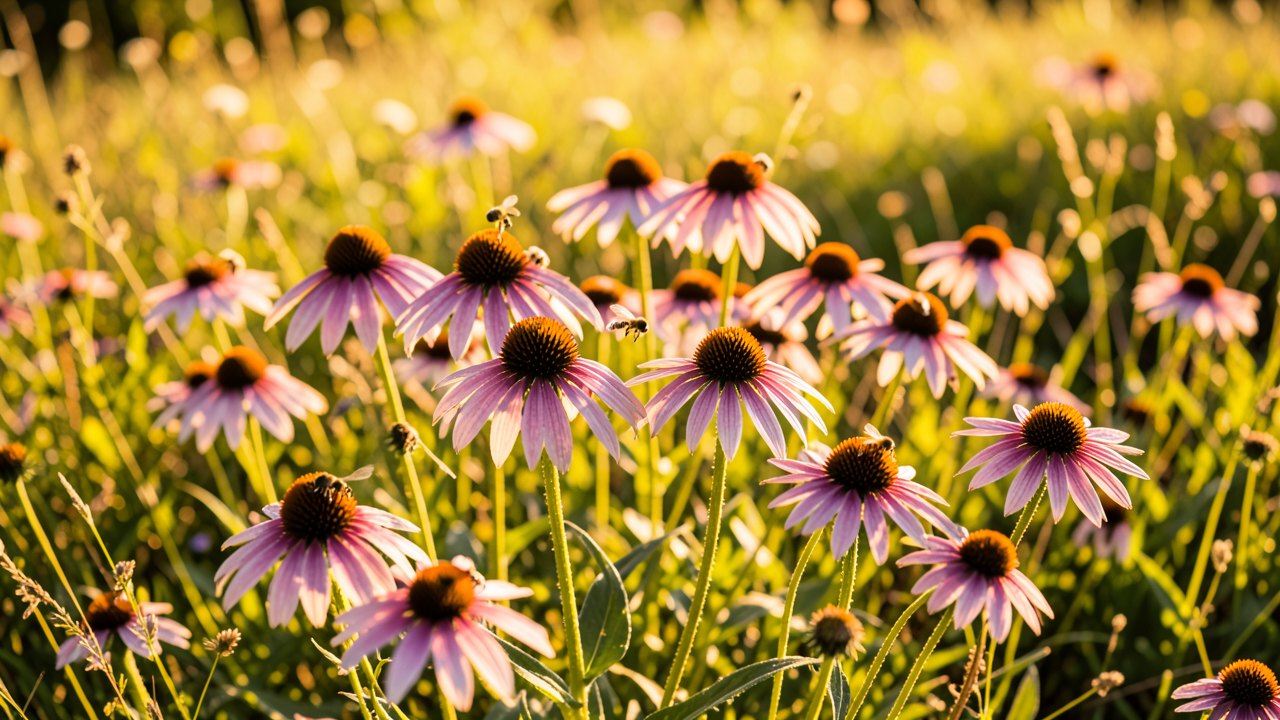
Notes
Sources aren't in total agreement on mulch; some advise avoiding it to help seeds germinate. Check your specific seed requirements before adding cover.
Why it works
Sun and timing
Sunlight warms pollinators so they can fly and drives photosynthesis for flowering. Timing around the frost date helps plants establish before harsh weather.
Soil and clusters
Soil testing reveals nutrient needs and pH balance for healthy growth. Clustering plants makes it easier for pollinators to locate blooms and move efficiently between flowers.
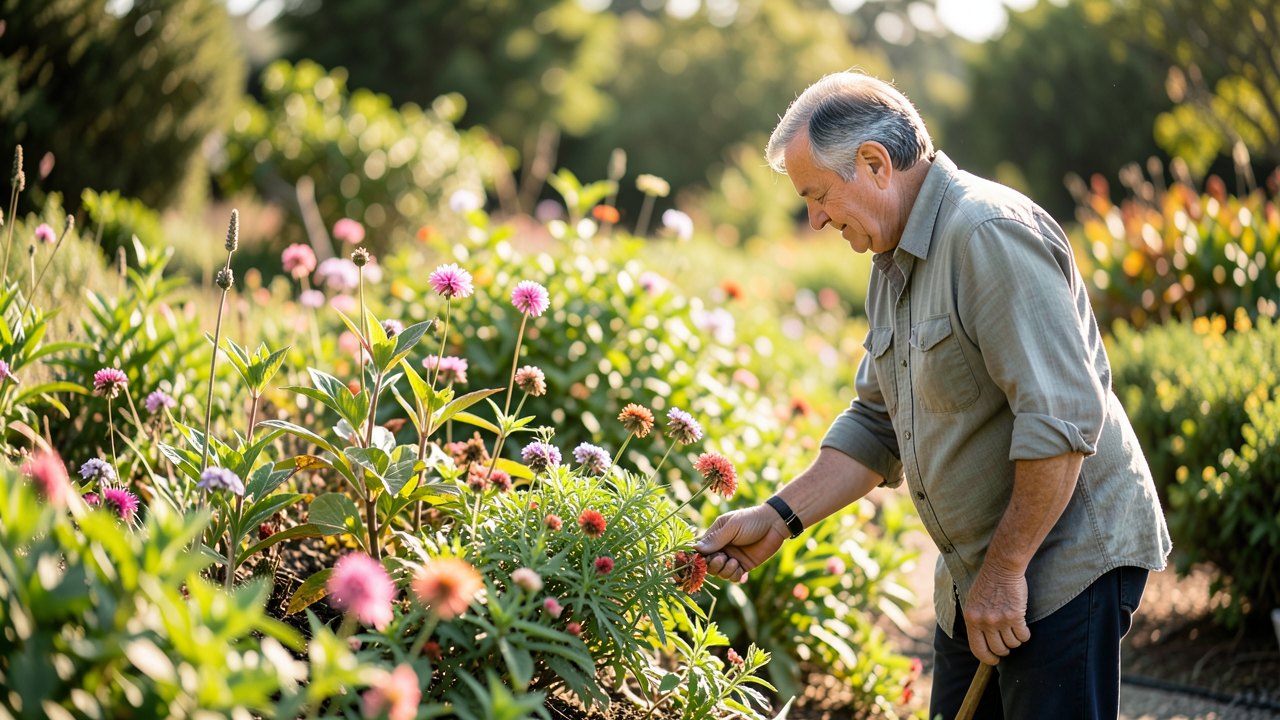
Water and weeds
Consistent moisture is essential for seed germination and early establishment. Weeding reduces competition for nutrients and space, giving native plants a solid start.
If it goes wrong
Pest pressure
If pests appear, resist spraying. Stick to natural controls or spot treatment to keep beneficial insects safe and support the ecosystem.
Seed vs. plugs
If you need results faster, use plugs as suggested by some sources. Scattering seeds takes longer but can cover more area once established.
References


