How to Identify Warblers During Spring Migration
Affiliate disclosure: This post contains affiliate links. We may earn a small commission from qualifying purchases at no extra cost to you. See our affiliate disclosure for how we choose what we recommend.
North America holds 116 warbler species, but the 10 most common make up about 60% of sightings, so focusing there gives you solid ground. Timing varies by source; some track activity from late April to mid-June, while others note the window closes by early May. Learn songs first. Warblers move fast, and audio is your best bet for ID before the bird vanishes. Early mornings, dawn through 10 AM, offer the best activity. Once you hear a call, look for visual marks to confirm the species.
What you need
Steps
- Start with the 10 most common warblers, as they account for the bulk of sightings. Use the Merlin Bird ID app or Sibley Guide to Birds to memorize calls. Listen for details like the Northern Parula's buzzy trill ending with an upslur. Prioritize audio ID since warblers rarely stay still long enough for a first look.
- Target the hours between dawn and 10 AM when warblers are most active. Scout deciduous and mixed forests, woodland edges, and riparian zones. Some research also points to marshes and swamps, so checking different habitats helps, especially since sources differ on where birds concentrate.
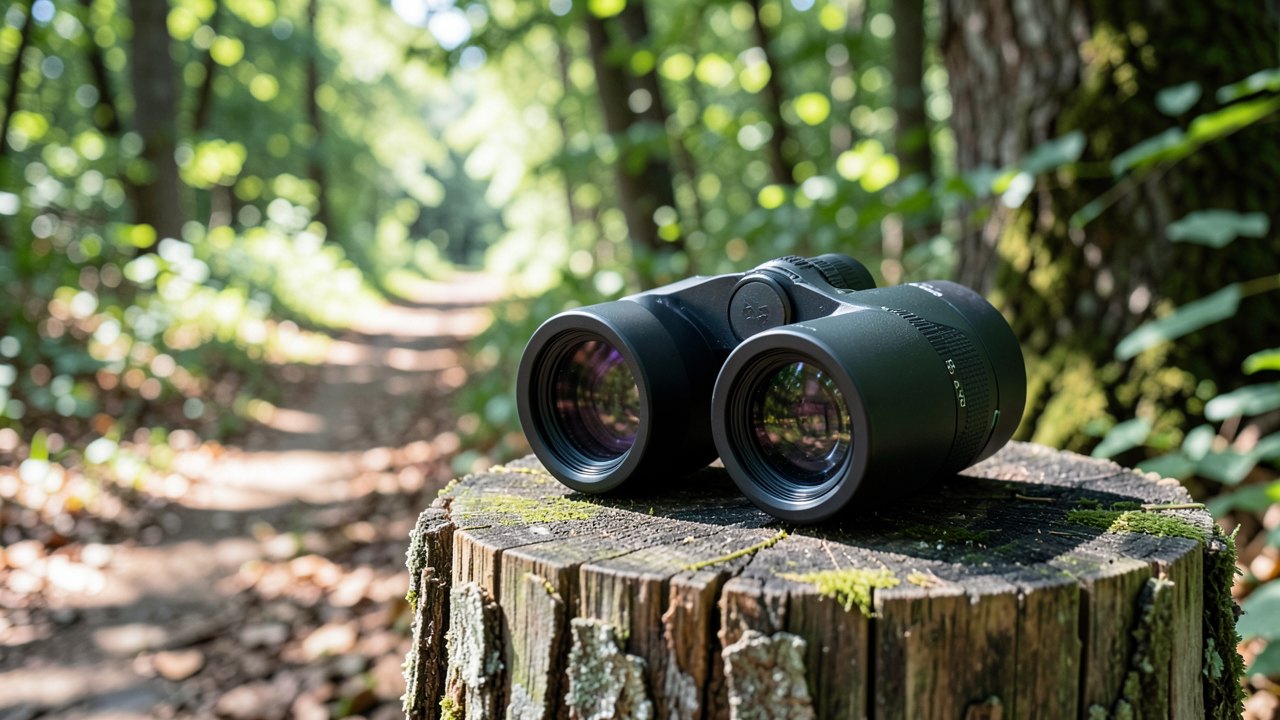
- After identifying a bird by song, use 8x42 binoculars to check field marks. Look for a white spot on the wings for a Black-throated Blue Warbler or a yellow face with a black throat on a Black-throated Green Warbler. Visual confirmation narrows down the species. Key marks hold true across different lighting, which helps in early-morning shadows.
Notes
Sources disagree on peak arrival and habitat. Some indicate late April to mid-June, while others suggest April to early May. Habitat reports vary between forests and wetlands. Adjust your plans based on local conditions.

Why it works
Audio leads the way
Warblers are highly mobile. Songs provide reliable identification before you locate the bird visually, making auditory cues essential.
Optics boost confidence
Early mornings bring low light. Quality binoculars enhance visual identification when conditions are challenging, ensuring you can spot key details.


